
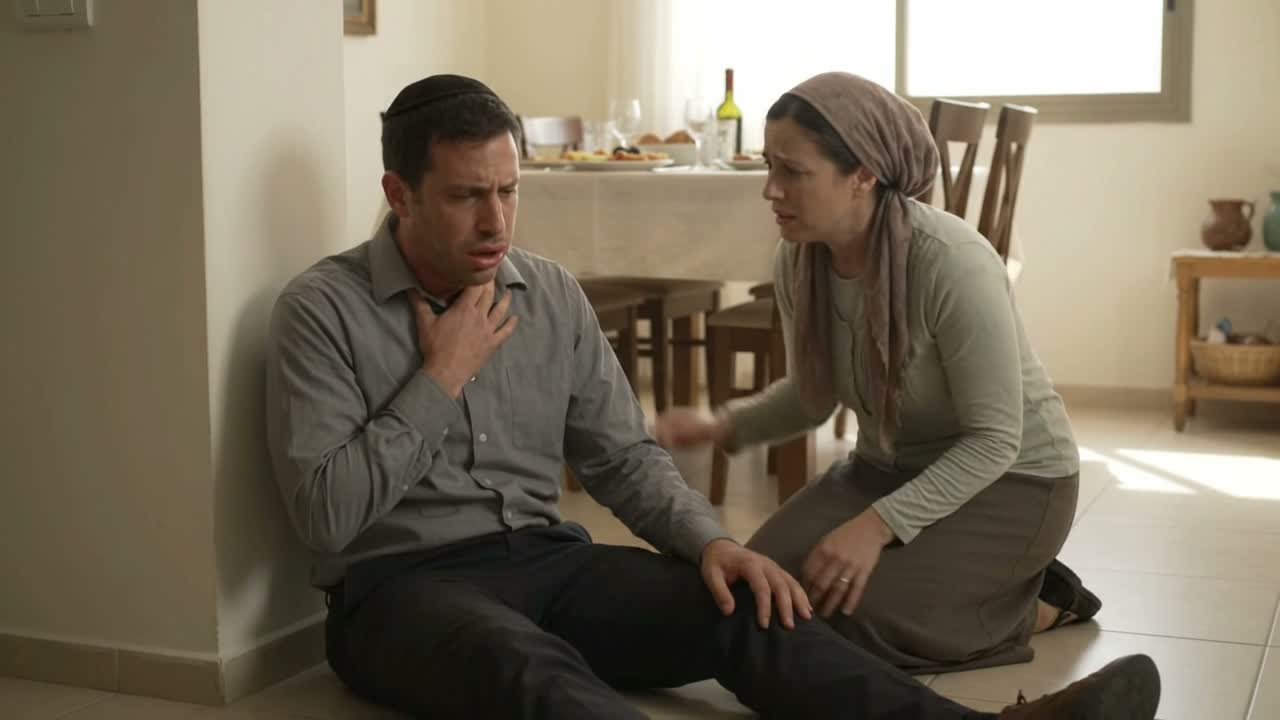
01Allergic emergency
Anaphylaxis
A celebration. A sudden reaction. A rapidly closing airway.
Ramat Beit Shemesh Alef
8 minVideo + 9 decisions
Clinical practice
Emergency scenarios
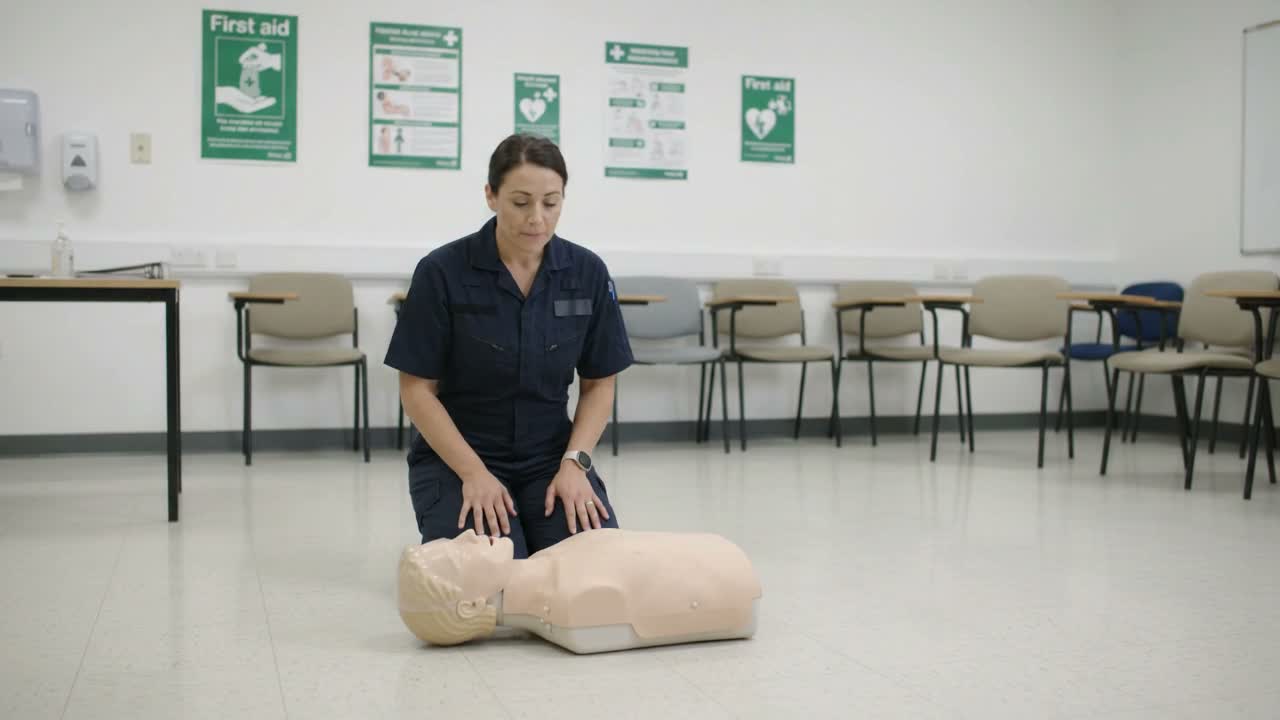
Treat life threats as soon as they are found. In cardiac arrest, begin compressions before airway and ventilation; control catastrophic bleeding immediately. Secondary assessment must not delay urgent care or transport.
Choose a date
A celebration. A sudden reaction. A rapidly closing airway.
Ramat Beit Shemesh Alef
A man collapses between the stalls. Bystanders hear him gasping.
Beit Shemesh market

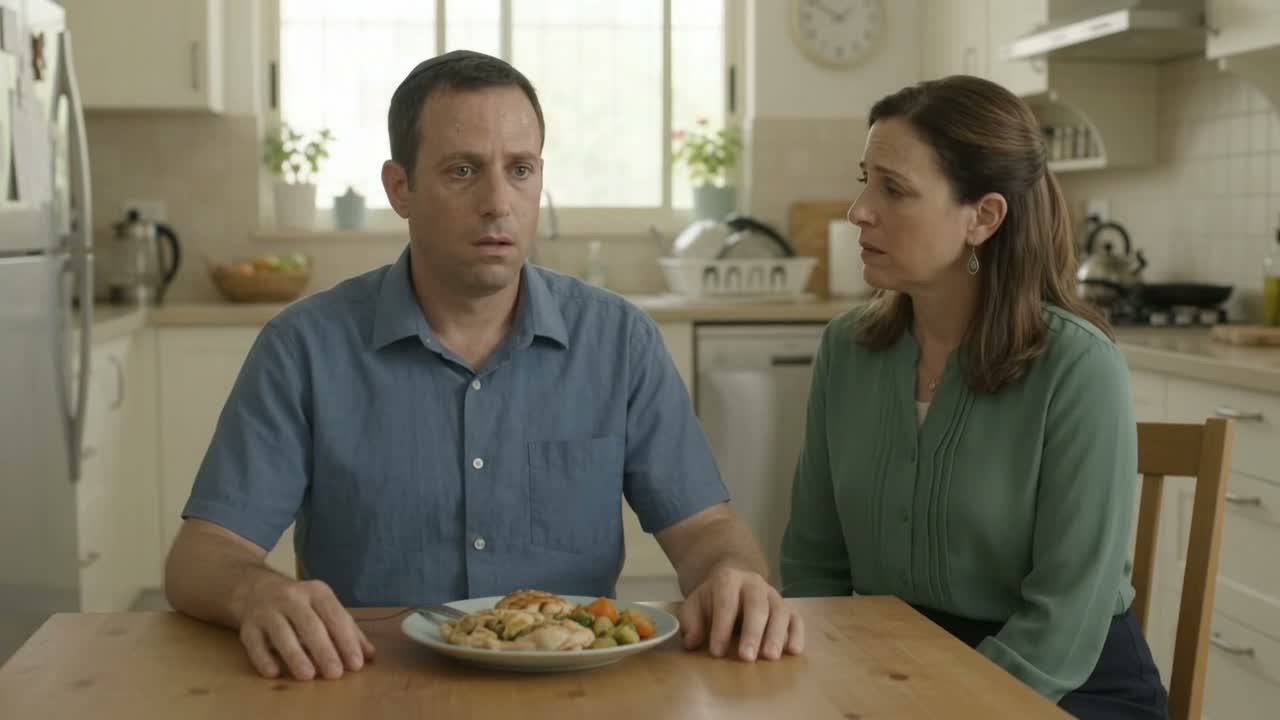
Breakfast is interrupted by slurred speech and a weak right arm.
Ramat Beit Shemesh Bet
A patient with diabetes is sweaty, shaky and increasingly confused.
Ramat Beit Shemesh Gimmel
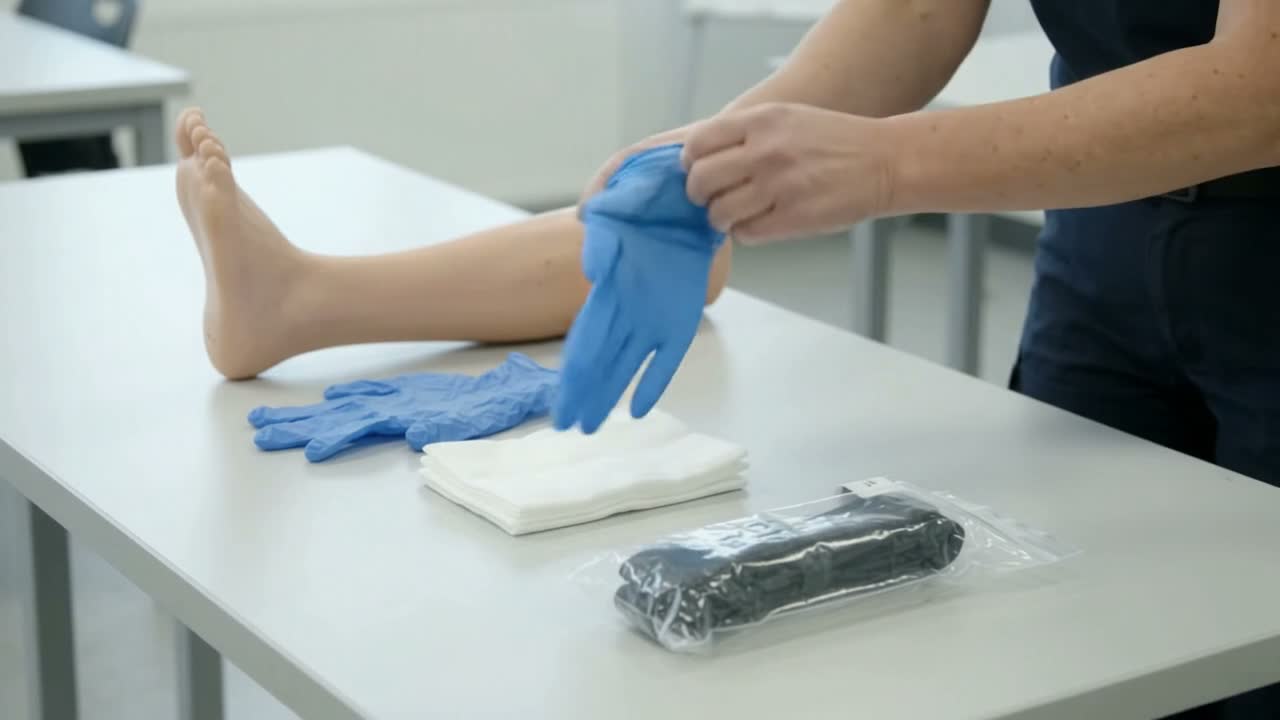
A workshop injury. A deep leg wound. Heavy bleeding.
Beit Shemesh industrial area
Slurred speech. Missed breakfast. A familiar explanation that may not explain everything.
Ramat Beit Shemesh Dalet
An inhaler. Familiar wheezing. This time, the usual explanation does not fit.
Beit Shemesh community hall
Yossi Cohen · Sample instructor
Paramedic · Training coordinator
Educational draft. Medical-director review required before training use. Follow local protocols and your authorized scope of practice.